Understanding Air Quality
A comprehensive guide to interpreting AQI levels and protecting your long-term health.

How to Read AQI Levels
AQI values are grouped into specific ranges. Each range corresponds to a level of health risk. Understanding these numbers is the first step in prevention.
Air quality is satisfactory, and air pollution poses little or no risk.
Air quality is acceptable. However, there may be a risk for some people who are unusually sensitive to air pollution.
Members of sensitive groups may experience health effects. The general public is less likely to be affected.
Some members of the general public may experience health effects; members of sensitive groups may experience more serious health effects.
Health alert: The risk of health effects is increased for everyone.
Health warning of emergency conditions: everyone is more likely to be affected.

Visual difference between low and high AQI levels.
Why AQI Ranges Matter
- Decide whether it is safe to exercise outside.
- Protect vulnerable family members (children, elderly).
- Plan travel and daily commutes safely.
- Reduce long-term cardiovascular risks.
Health Effects
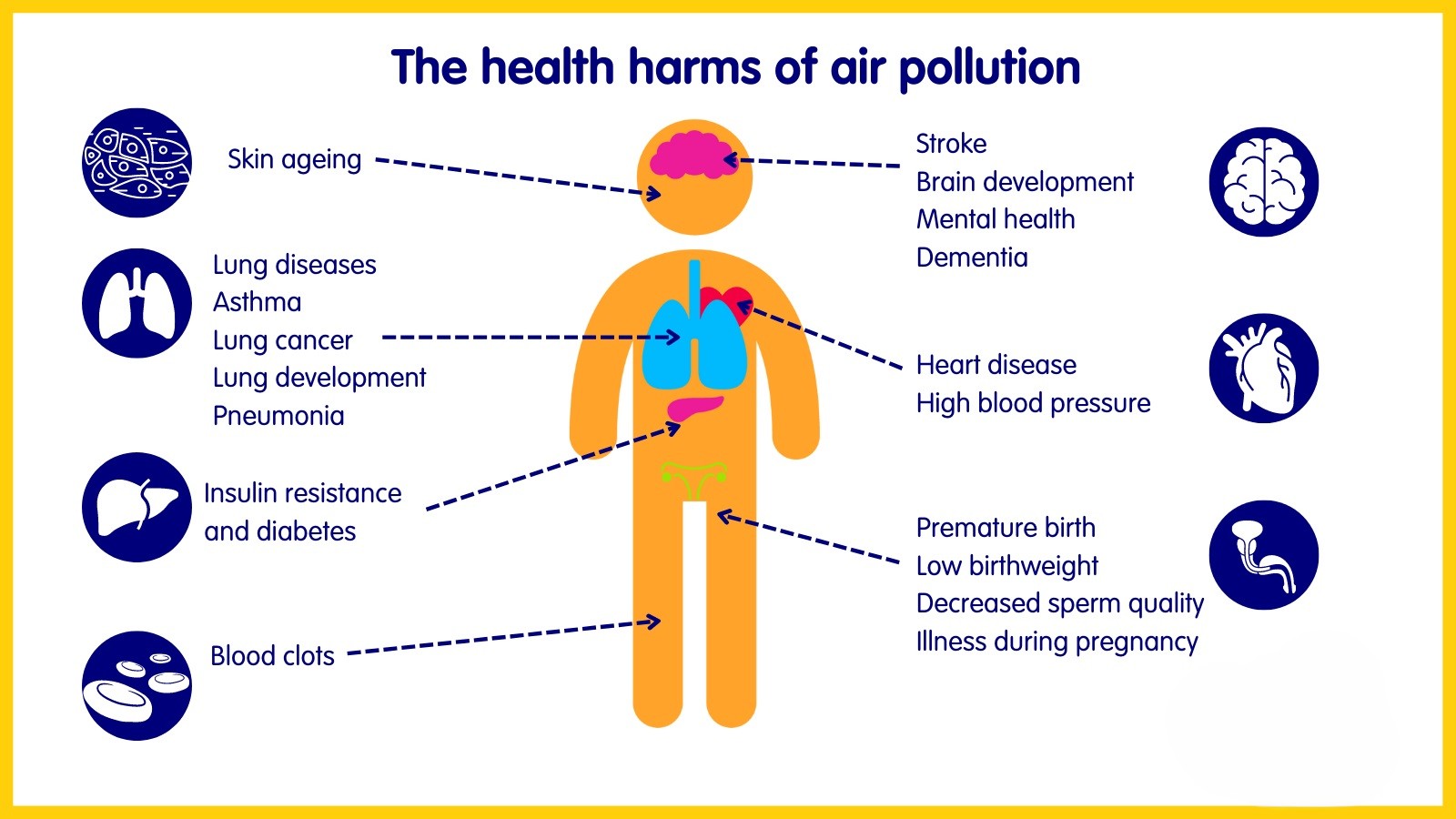
Breathing polluted air affects both short-term performance and long-term longevity. Even healthy individuals can experience symptoms during high pollution spikes.
Short-Term Effects
- Irritation of eyes, nose, and throat
- Coughing and chest tightness
- Shortness of breath
- Fatigue and headaches
Long-Term Risks
- Chronic respiratory disease (COPD, Asthma)
- Reduced lung function
- Cardiovascular disease and stroke
- Impact on reproductive health
Vulnerable Groups
Certain individuals are more susceptible to the adverse effects of air pollution and require stricter precautions.
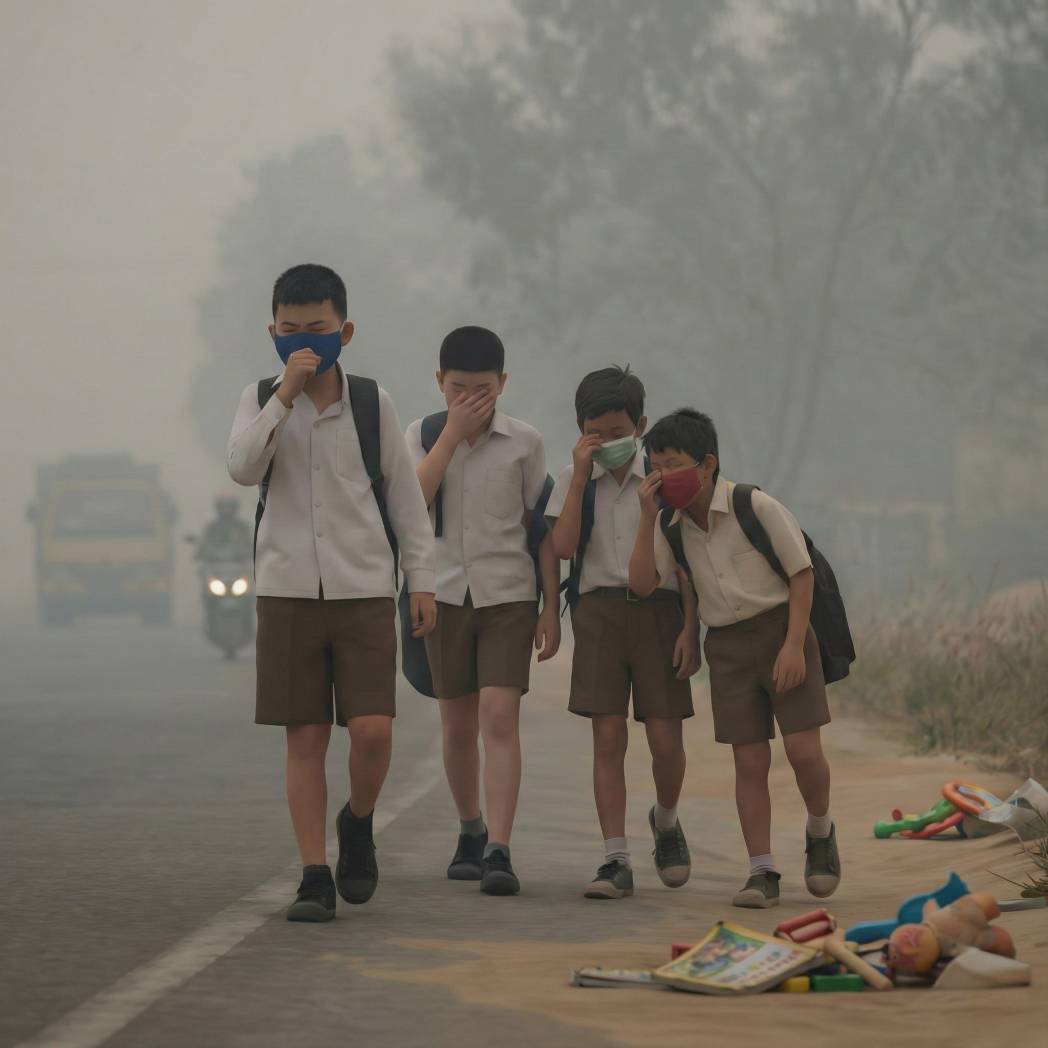
Children
Developing lungs and higher breathing rates make them highly susceptible.

Elderly
Often have weaker immune systems or pre-existing conditions.
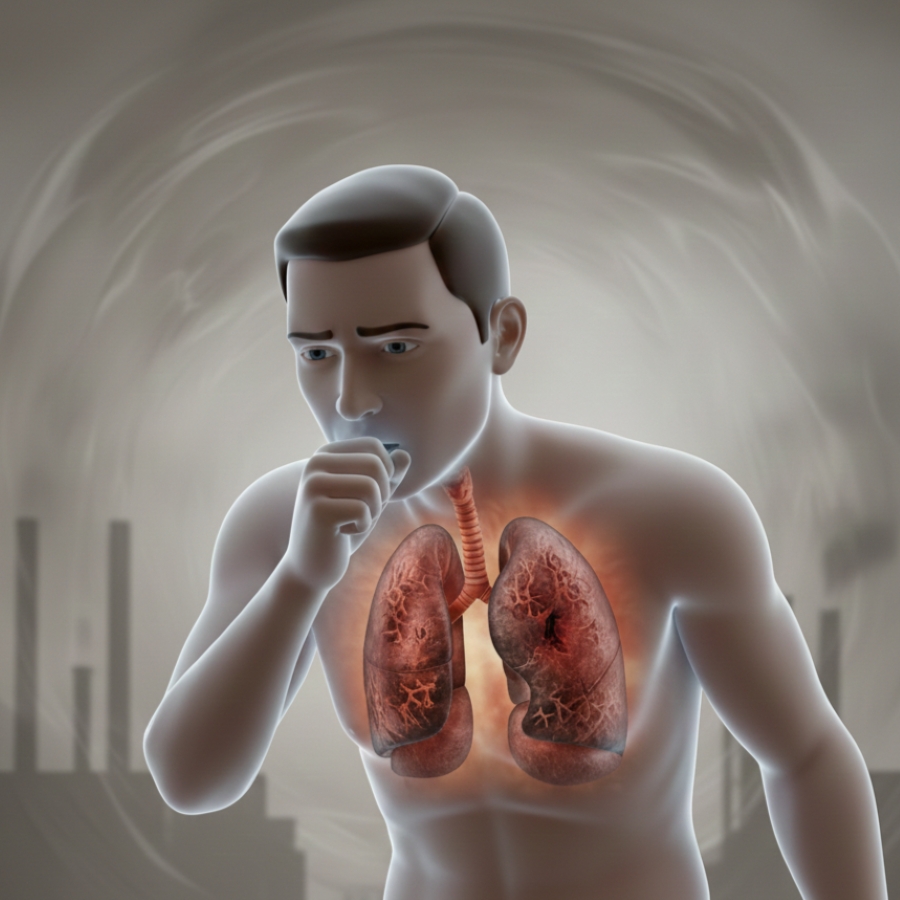
Respiratory Issues
People with asthma or COPD can suffer immediate attacks.

Pregnant Women
Pollution can impact fetal development and maternal health.
Protection Strategy
If you belong to these groups, use air purifiers indoors and wear N95 masks if you must go outside during poor AQI days.
Prioritize Your Health Today
Don't wait for symptoms to appear. Check the air quality in your area now.
Check AQI Dashboard